
Tlaloc, the Aztec rain god, was both life-giver and feared destroyer. At one offering alone at the Templo Mayor around 1454, archaeologists found the remains of at least 42 infants sacrificed to Tlaloc—evidence of how desperately the Aztecs sought his favor in times of drought. Today, his goggle eyes and jagged fangs appear not just in codices and temple carvings, but also in modern mythology rings, pendants, and other rings with meaning that echo his ancient power. This article walks through the history, lore, and symbolism of Tlaloc, and how his image survives in contemporary silver jewelry, especially bold silver rings for men and intricate pendants.
Key Takeaways
| Question | Answer |
|---|---|
| Who was Tlaloc in Aztec religion? | Tlaloc was the Aztec god of rain, storms, and agricultural fertility, central to state ritual and often depicted with goggle eyes and fangs. His image is reinterpreted in modern jewelry like the handcrafted Tlaloc Pendant. |
| What do Tlaloc’s goggle eyes and fangs symbolize? | The goggle eyes evoke swirling storm clouds or seashell goggles of ancient divers, while the fangs stress his fierce, destructive side—ideas echoed in detailed Tlaloc mythology rings. |
| How old is Tlaloc worship? | Tlaloc worship is considered pan-Mesoamerican, with roots possibly going back to Teotihuacan, long before the Aztec Empire, and continuing in adapted forms today across art and jewelry. |
| Why was Tlaloc so important to the Aztecs? | Rain determined harvests, famine, and survival. Nine of the 18 months in the Aztec calendar were dedicated to water, showing how deeply Tlaloc shaped time, ritual, and politics across the empire. |
| How is Tlaloc used in modern jewelry design? | Designers use his mask-like face, circular eyes, and fanged mouth on bold biker rings for men and pendants—turning ancient iconography into wearable talismans within collections like the Aztec Rings Collection. |
| What materials are common for Tlaloc jewelry? | Contemporary pieces often use solid 925 sterling silver for durability and detail, especially in high-relief silver rings for men and statement pendants. |
| Are there related deities to Tlaloc in Aztec myth? | Yes. Tlaloc is often paired with deities like Quetzalcoatl in myth and in art, and both appear together in modern collections of ancient mythology rings and pendants. |
1. Tlaloc in Aztec Myth: Life-Giver, Storm-Bringer
Tlaloc ruled over rain, storms, and the moisture that sustained crops across the Aztec world. As a deity of paradox, he could bless the land with gentle showers or devastate it with hail, lightning, and floods. This duality—nourishing and terrifying—runs through his stories and rituals.
Aztec sources describe Tlaloc as lord of Tlalocan, a lush, watery paradise where those who died from water-related causes went in the afterlife. Farmers, rulers, and priests all depended on his goodwill, which made him central to the political and religious structure of Tenochtitlan.


Because water meant survival, Tlaloc’s cult was intense. According to archaeological studies, the 1452–1454 drought in the Basin of Mexico is linked to major offerings at the Templo Mayor, including mass sacrifices to Tlaloc. This desperation underscores how rain, politics, and religion were inseparable in Aztec life.
2. A Deep Timeline: From Teotihuacan to the Aztec Empire
Tlaloc wasn’t just an Aztec invention. Scholars describe his worship as pan-Mesoamerican, with roots that may reach back to Teotihuacan centuries before the Aztecs rose to power. There, a storm and water deity with a similar goggle-eyed face appears in murals and sculptures.
When the Mexica (Aztecs) built Tenochtitlan, they drew on this older water-god tradition, adapting it into their own state religion. By the Late Postclassic period, Tlaloc had become part of a powerful pantheon that also featured Quetzalcoatl, Huitzilopochtli, and other deities now often seen together in modern mythology rings and pendants.

This long timeline matters for modern design. When a jeweler carves Tlaloc’s face onto a ring or pendant, they’re referencing more than just Aztec imagery—they’re tapping into a regional tradition of water gods that shaped cities, calendars, and agricultural cycles for over a thousand years.
3. Goggle Eyes and Fangs: Decoding Tlaloc’s Iconography
Tlaloc is instantly recognizable by his mask-like face: circular, almost “goggle” eyes; a wide, often rectangular mouth; and prominent fangs. These elements created a powerful visual shorthand, easy to carve into stone, paint in codices, or, today, sculpt in high-relief silver.
Scholars have debated the meaning of the goggles. Some link them to seashell goggles used by divers, tying Tlaloc to deep water. Others see swirling storm clouds or stylized eyes brimming with rain. The fangs, meanwhile, emphasize his ferocity—lightning, hail, and the destructive side of storms.


On modern silver rings for men, these same shapes become strong design anchors. The goggles form bold circular volumes that catch the light, while the fangs and jawline add edge, making Tlaloc a natural fit for striking biker rings for men that carry serious symbolic weight.
4. Tlaloc, Sacrifice, and the High Stakes of Rain
Tlaloc’s benevolence was never taken for granted. Aztec ritual texts and archaeology both show that rain ceremonies could be brutal. The Offering 48 deposit at the Templo Mayor, with at least 42 infants, is only one example of how far the Aztec state would go to “speak” to the rain god during crisis.
These acts were not random cruelty in Aztec eyes, but part of a cosmic exchange: human life in return for water and agricultural abundance. The relationship with Tlaloc was transactional, emotional, and political all at once, echoing themes of risk and reward that some people now read into modern rings with meaning that carry his image.


Wearing Tlaloc today obviously doesn’t carry those ritual obligations, but for many, it still symbolizes high stakes: respect for nature’s power, awareness of life-and-death cycles, and the sobering history behind the art.
5. Tlaloc’s Place in the Aztec Cosmos and Calendar
In Aztec cosmology, Tlaloc wasn’t just a local rain spirit—he occupied major positions in the sacred calendar and cosmic order. In sources like the Codex Borgia, he appears among the nine Lords of the Night, deities who ruled over each night in a repeating cycle.
Tlaloc also presided over specific months and festivals tied to planting, first rains, and harvest. Priests staged elaborate ceremonies on mountaintops and at the Templo Mayor’s Tlaloc side, reinforcing his control over seasonal rhythms that structured everyday life.

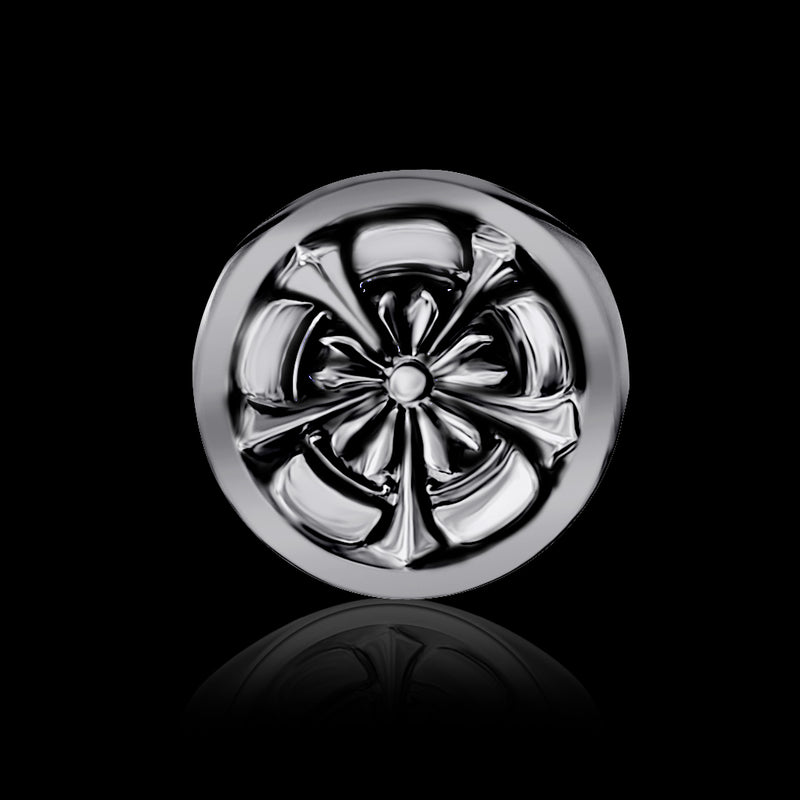
Today, jewelry inspired by Tlaloc often nods to this calendrical context through circular frames, stepped borders, or sunstone-like patterns. These design choices subtly reference the way Aztecs embedded water, time, and divinity into a single visual language.
6. From Stone to Silver: Tlaloc in Modern Jewelry Design
Translating Tlaloc from temple stone to wearable art means rethinking scale and detail. Contemporary designers use 925 sterling silver to capture his geometric face in crisp relief, taking advantage of silver’s ability to hold fine lines while standing up to everyday wear.
The Tlaloc Pendant, for example, uses layered planes and deep cuts to emphasize the goggle eyes and jagged mouth. The result is a compact, talismanic piece that still reads clearly as Tlaloc even at a distance.


These pieces sit comfortably within broader lines of mythology rings and pendants that also feature Quetzalcoatl and other deities. For many wearers, Tlaloc becomes part of a personal pantheon—one symbol among several that map out identity, heritage, or fascination with ancient cultures.
7. Tlaloc Ring: A Contemporary Mythology Ring with Meaning
The Tlaloc Ring is a clear example of how ancient symbolism feeds into modern rings with meaning. It’s cast in solid 925 sterling silver, not hollow or plated, giving it substantial weight and presence on the hand.
Design-wise, the ring foregrounds Tlaloc’s face as a mask, framed by stepped motifs reminiscent of temple architecture. This makes it a strong contender for people who like heavy, sculptural silver rings for men that double as conversation pieces.


For fans of biker rings for men, the Tlaloc Ring offers a blend of raw presence and cultural depth. It carries the intensity of a skull ring but swaps out generic death imagery for a complex god associated with storms, agriculture, and the thin line between abundance and disaster.
8. Tlaloc and Quetzalcoatl: Paired Symbols in Rings and Pendants
Tlaloc rarely appears in isolation. In myth and ritual, he often interacts with other powerful deities—especially Quetzalcoatl, the feathered serpent linked to wind, creation, and knowledge. Together, they embody key forces that shaped Mesoamerican life: rain and wind, water and sky, fertility and order.
Modern collections of mythology rings frequently place them side by side. You might see a Tlaloc piece paired with a Quetzalcoatl pendant or ring, creating a set that mirrors the complementary forces of the ancient pantheon.


For someone building a small collection of rings with meaning, wearing Tlaloc on one hand and Quetzalcoatl on the other can feel like balancing rain and wind, chaos and order—a personal echo of a very old cosmology.
9. Aztec Rings Collection: Context for Tlaloc Symbolism
Tlaloc also sits within a broader ecosystem of Aztec-inspired symbols that appear on silver rings for men. Sun stones, jaguar warriors, eagle helmets, and skull motifs all orbit the same world of empire, ritual, and warfare that framed Tlaloc’s cult.
This context matters when you interpret a Tlaloc ring. It’s not just a single god’s face—it’s one node in a visual network that includes warriors, rulers, and other deities, each carrying its own set of stories and associations.


Seen this way, choosing a Tlaloc piece is a deliberate move within a larger visual language: you’re centering water, storm, and fertility in a field that also includes war, the underworld, and cosmic cycles.
10. Comparing Tlaloc to Other Mythological Ring Motifs
When you zoom out to broader ancient mythology rings, Tlaloc sits alongside dragons, storm gods, and underworld rulers from many cultures. Each has its own way of expressing power, danger, and protection.
The table below gives a quick comparison of how Tlaloc stacks up against a few other popular mythic motifs in modern jewelry:
| Deity / Motif | Main Element | Common Jewelry Feel |
|---|---|---|
| Tlaloc (Aztec) | Rain, storms, agriculture | Geometric, mask-like, intense; great for bold biker-style rings with historical depth |
| Quetzalcoatl (Aztec) | Wind, creation, knowledge | Serpentine, flowing lines; often more graceful but still powerful |
| Ryūjin (Japanese) | Sea, tides, storms | Dragon skulls and waves; similar elemental power, different visual language |
| Zeus (Greek) | Sky, lightning, kingship | Bearded faces, thunderbolts; more regal, less mask-like than Tlaloc |
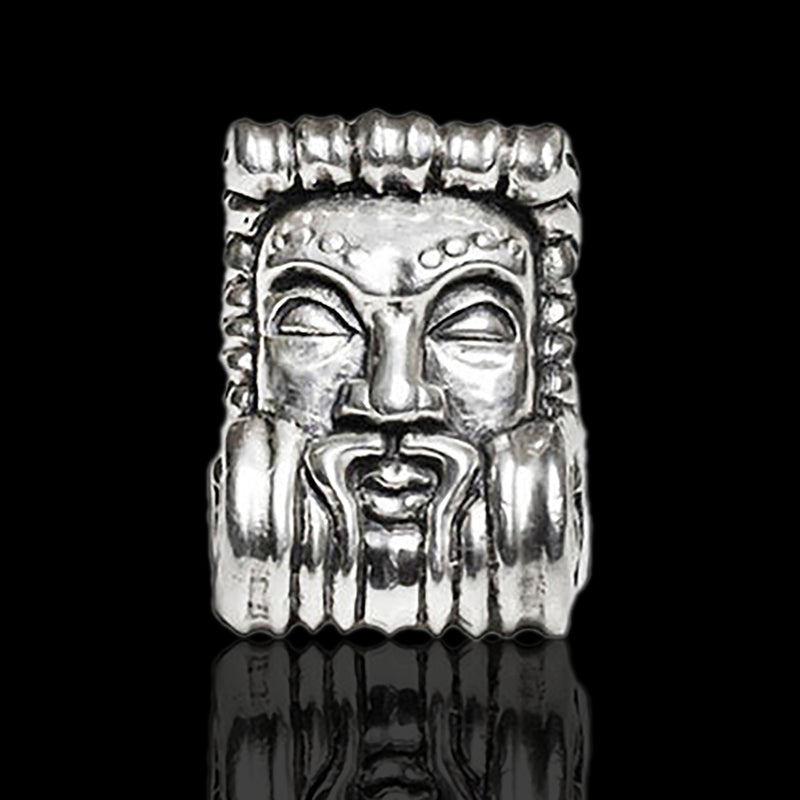
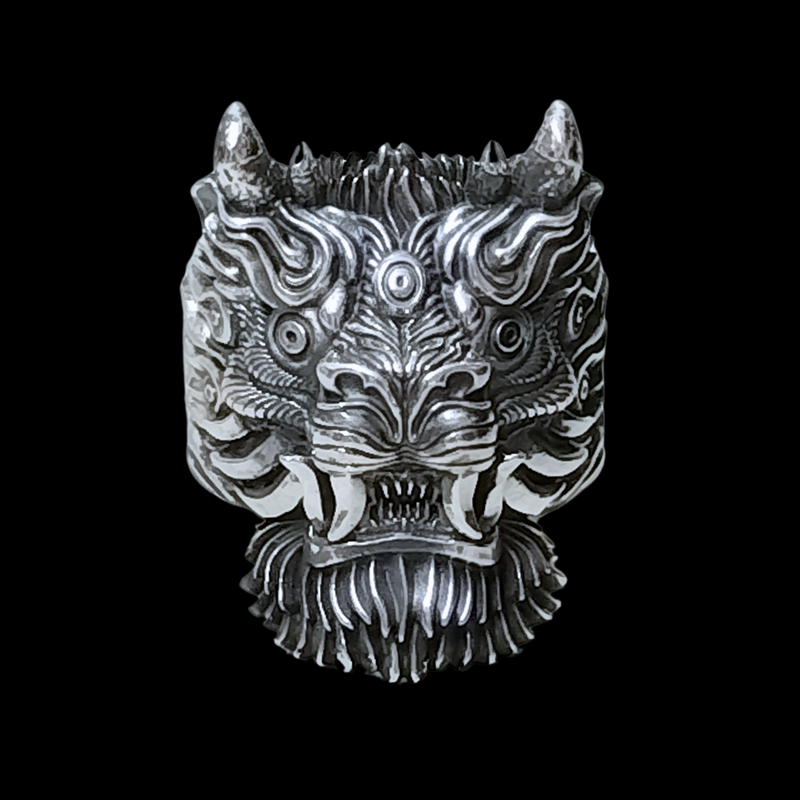
Tlaloc stands out for his stark geometry and the very specific history of drought, sacrifice, and empire that surrounds him. For anyone who wants their jewelry to carry a story as well as a look, he’s a compelling choice.
Conclusion
Tlaloc’s history and symbolism are anything but simple. He’s a rain god with deep pre-Aztec roots, a giver of crops and life, and a figure at the center of some of the most intense rituals in Mesoamerican history. His goggle eyes and fangs condense all of that into a single, unforgettable image.
When that image shows up on modern mythology rings, pendants, and other silver rings for men, it carries more than just a cool aesthetic. It holds echoes of ancient calendars, desperate prayers for rain, and a sophisticated visual language that turned weather into art. Whether you’re drawn to Tlaloc as a symbol of nature’s power, historical memory, or simply for his striking look on a bold biker ring for men, you’re tapping into a story that has been evolving for over a millennium—and still isn’t finished.