
Japanese mythology is packed with dramatic family feuds, cosmic creation, and gods who control everything from the rising sun to roaring storms. The phrase Yaoyorozu no Kami (“Eight Million Gods”) hints at just how many deities there are, and with around 160,000 temples and shrines across Japan, these stories still shape daily life. In this guide, we’ll walk through major Japanese mythology gods like Amaterasu (sun goddess), Izanagi, Izanami (creation deities), and Susanoo (storm god), and show how modern art and jewelry, including myth-inspired pieces from Serpent Forge, keep their legends alive today.
Key Takeaways
| Question | Quick Answer |
|---|---|
| Who is the main sun goddess in Japanese mythology? | That’s Amaterasu, the radiant sun goddess and central deity of Shinto. She’s so important that she’s linked to the imperial lineage and major shrines like Ise Jingu, often echoed in modern designs like the cherry blossom-inspired Ephemeral Sakura ring. |
| How do Izanagi and Izanami fit into the creation story? | Izanagi and Izanami are the primordial creation deities. Their union forms the Japanese islands and leads to the birth of many gods, including Amaterasu. Their tale sets the stage for countless kami that inspire myth-themed collections like the Ancient Mythology Rings. |
| What is Susanoo known for? | Susanoo is the storm god famous for slaying the eight-headed serpent Yamata no Orochi and claiming the sword Kusanagi. His wild energy often shows up in fierce dragon and warrior motifs, similar in vibe to pieces like the Samurai Dragon ring. |
| Are Japanese gods still culturally important? | Absolutely. With about 32,000 Inari shrines alone out of roughly 80,000 Shinto shrines, kami connected to myth are woven into everyday Japanese landscapes, rituals, and even modern fashion and accessories. |
| Is there a Japanese sea dragon god? | Yes, Ryūjin is the dragon sea god who rules the oceans from his underwater palace. He’s often reimagined in modern art and jewelry, like the Ryujin-inspired skull design within the Ryujin Skull Ring. |
| What’s the deal with Hannya masks and demons? | Hannya masks come from Noh theatre and represent a jealous female spirit, heavily influenced by Buddhist and folk beliefs that sit alongside Shinto gods. Their intense expressions appear in detailed silver pieces like the Hannya Mask ring. |
| Can I see these myths reflected in modern jewelry? | Yes. From dragon motifs to sakura crowns, myth-driven designs in collections like Ephemeral Sakura and Hannya Mask show how Japanese mythology gods still influence personal style. |
1. The Big Picture: How Japanese Mythology Gods Shape the Kami World
When people talk about “Japanese gods,” they’re usually talking about kami-spirits or deities that exist in nature, ancestors, and sacred stories. The core myths, recorded in texts like the Kojiki and Nihon Shoki, explain how the world formed and how major gods like Amaterasu, Izanagi, Izanami, and Susanoo came to be.
These stories aren’t just dusty folklore; they’re living traditions. Shrines, seasonal festivals, and even pop culture anime and games constantly reference these deities, which is why motifs like dragons, foxes, and sun symbols feel both ancient and surprisingly current, even when they’re turned into modern silver rings or art pieces.


2. Izanagi and Izanami: Creation Deities and the Birth of the Islands
At the very start of Japanese mythology stand Izanagi and Izanami, the divine couple tasked with creating the land. Standing on the “Floating Bridge of Heaven,” they stir the sea with a jeweled spear; the droplets that fall become the first island, from which the rest of the Japanese archipelago emerges. Their story explains land, sea, and the first generation of gods.
Things turn tragic when Izanami dies after giving birth to the fire god. Izanagi’s desperate journey to the land of the dead and his frantic escape back to the world of the living lead directly to the birth of Amaterasu (sun), Tsukuyomi (moon), and Susanoo (storm). This divine family drama sets the tone for many later myths, bright light, shadow, and chaos all coming from one broken relationship.
3. Amaterasu: Sun Goddess, Ancestral Deity, and Cultural Icon
Amaterasu is the brilliant heart of Japanese mythology. She’s the sun goddess, often described as the chief Shinto deity, and key to the mythic ancestry of Japan’s emperors. Her most famous story is the cave legend, where she hides away after a clash with her brother Susanoo, plunging the world into darkness until the gods lure her out with laughter and a mirror.
That mirror becomes one of the Imperial Regalia, and her light symbolizes order, life, and authority. Her influence is so strong that she even stars as the protagonist in the game Okami, which has sold over 4 million copies across platforms, proof that her story still captures modern imaginations. Symbolically, she’s often linked with radiance, purity, and natural beauty, like cherry blossoms and clear skies.


4. Susanoo: Storm God, Serpent Slayer, and Chaos Incarnate
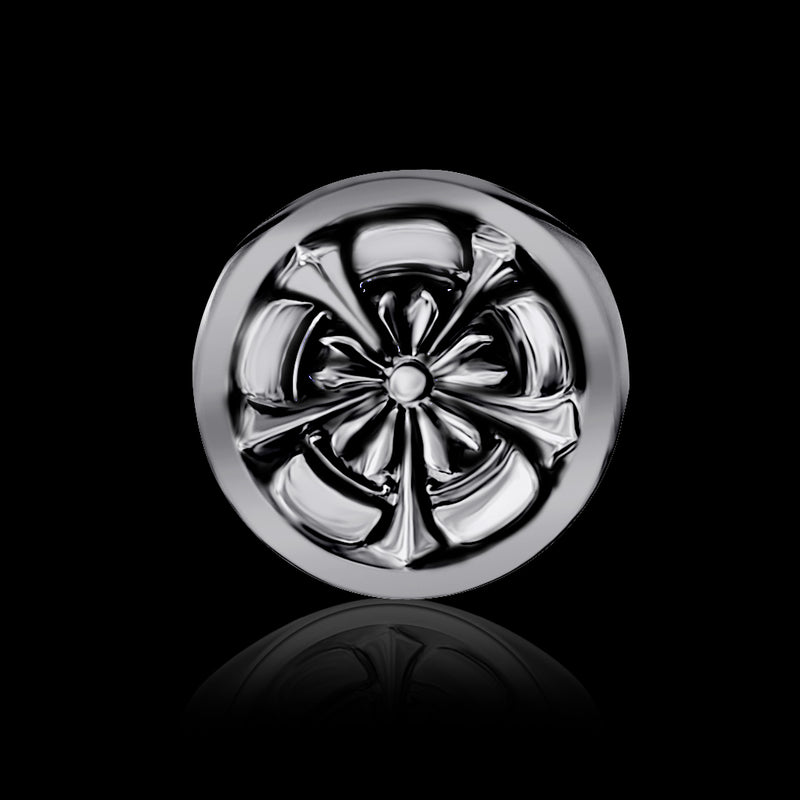
If Amaterasu is order and calm, Susanoo is the storm that crashes through it. As the storm god, he’s loud, emotional, and often reckless. His bad behavior in heaven, including wrecking his sister’s rice fields and causing chaos, eventually gets him banished, but that’s when his most heroic moment happens.
Down on earth, Susanoo encounters a family terrorized by the eight-headed serpent Yamata no Orochi. He defeats the monster in a brutal battle and discovers the legendary sword Kusanagi inside its tail, a weapon that later becomes one of the Imperial Regalia. Susanoo represents both destruction and courage, which is why storm, dragon, and warrior imagery often echoes his mythic vibe.


5. Ryūjin: Dragon God of the Sea and the Power of Tides
Ryūjin, sometimes called Watatsumi, is the dragon god who rules the oceans from a glittering underwater palace. In myth, he controls tides and commands sea creatures, and he sometimes lends magical items, like tide jewels, to human heroes and rulers. As a dragon deity, he connects directly to storms, sailors’ safety, and the raw power of waves.
In modern art and jewelry, Ryūjin’s image often merges dragon skulls, crashing water, and regal crowns into a single symbol of power. A piece like the Ryujin Skull Ring in the Ancient Mythology collection captures this vibe, fusing skeletal detail with sea-dragon ferocity for a very literal “lord of tides” aesthetic.
6. Hannya, Demons, and the Dark Side Around the Gods
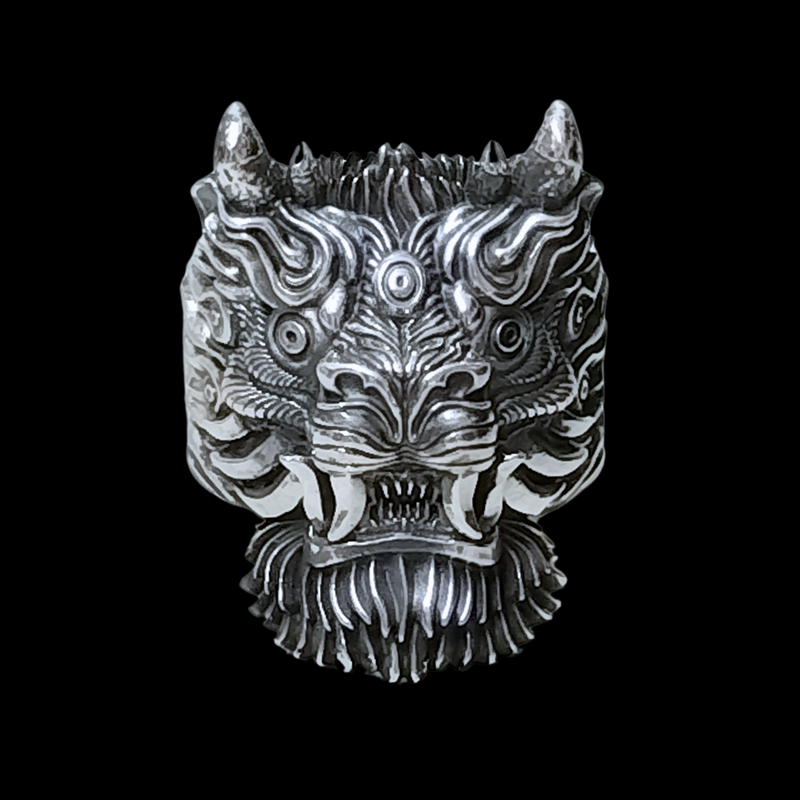
While not a “god” in the strict sense, the Hannya figure sits right next to Japanese mythology gods in popular imagination. Originating from Noh theatre, the Hannya mask represents a woman consumed by jealousy and rage, transformed into a horned demon. It’s a powerful image of how intense human emotions can cross into the supernatural.
Jewelry featuring the Hannya face, like the detailed Hannya Mask ring in solid .925 silver, captures this mix of beauty and fury. Deep-set eyes, sharp horns, and carved teeth echo stage masks and temple carvings, while modern write-ups, such as Serpent Forge’s explanations of the mystique of the Hannya mask ring, explore how this “demon” speaks to real human feelings.


7. Nature Spirits and Animal Guardians in Japanese Myth
Japanese mythology gods don’t just sit in the sky; many are tied to forests, mountains, wolves, and guardian beasts. Spirits of animals and nature, sometimes elevated to full kami status, guard sacred spaces or guide humans. This is the world where wolf deities, guardian dogs, and fox spirits run.
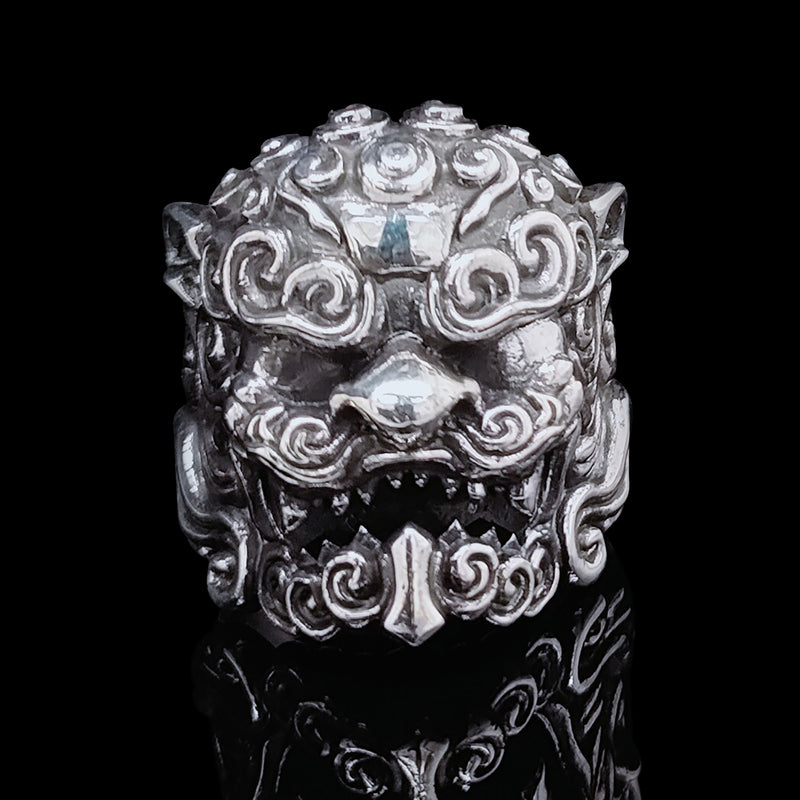
Modern designs echo these beings with rings like Demon Wolf and Wolf Shaman, which blend bestial features with shamanic or warrior detailing. Even guardian lion-dogs, similar to komainu at shrine gates, appear in fierce pieces like the Foo Dog ring, channelling temple guardian energy into wearable art.

8. Samurai, Spirits, and Modern Takes on Mythic Power
Samurai themselves aren’t gods, but in Japanese storytelling, they often stand side by side with deities and spirits. Legendary warriors are shown guided by ancestral kami or protected by dragon and wolf guardians. This fusion of human bravery and mythic backing is a big part of why samurai imagery still feels larger than life.
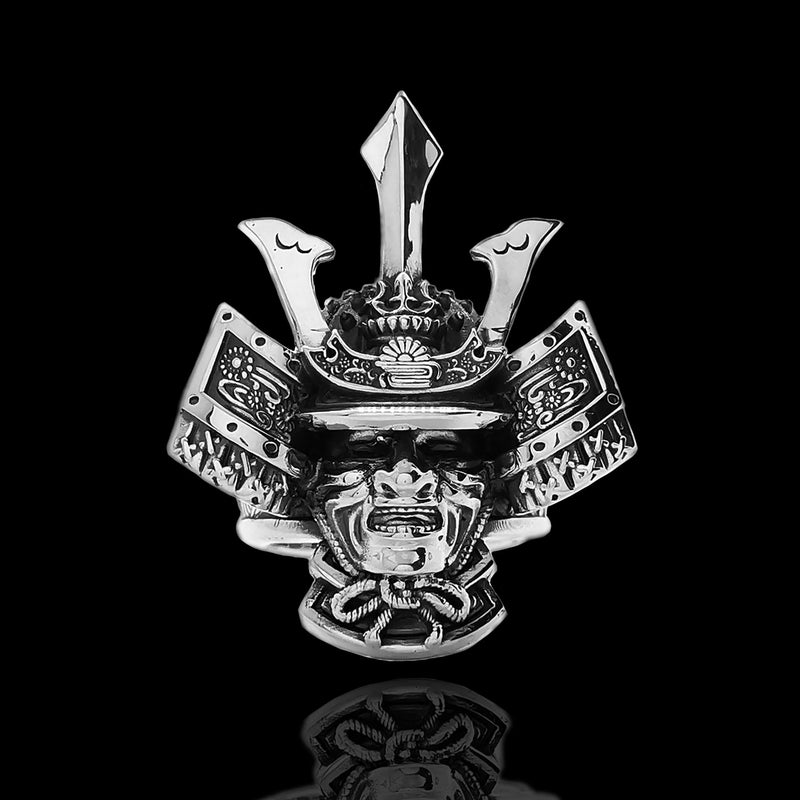
Pieces like the Samurai Dragon ring merge a warrior’s helmet with dragon scales and horns, hinting at a swordsman who fights under the gaze of storm or dragon gods. Other designs, such as the Kusunoki Masashige ring, references historical heroes whose loyalty and sacrifice are remembered with near-mythic respect.

9. Blossoms, Spirits, and the Ephemeral Beauty of Sakura
Cherry blossoms (sakura) aren’t a single god, but they’re spiritually loaded in Japanese culture. Their brief bloom symbolizes the fleeting nature of life, an idea closely tied to samurai ideals, seasonal festivals, and the gentle side of the kami. In many ways, sakura can feel like the softer, more reflective counterpart to grand gods like Susanoo.
Jewelry like the Ephemeral Sakura ring leans into this symbolism. Intricate silver petals and engraved branches echo shrine offerings and seasonal celebrations, capturing the mix of beauty and impermanence that sits at the center of a lot of Japanese myth and poetry.


10. From Stage Masks to Silver: Hannya Jewelry and Mythic Storytelling
Hannya imagery deserves its own spotlight because it shows how Japanese mythology gods, folk spirits, and human emotion all blur together. Traditional masks used in Noh and Kabuki performances inspired a whole visual language, sharp horns, twisted mouths, and sorrowful eyes, that artists now carve into silver, steel, and ink.
Designs like the Hannya and Hannya Mask rings feature bold 3D faces, often handcrafted in .925 sterling silver with deep oxidized shadows. Paired with wings in pieces like Hunnya Wings, they feel like fallen spirits caught between heaven and hell, perfect for anyone drawn to the darker borders of Japanese myth.

Conclusion
Japanese mythology gods cover everything from cosmic suns and raging storms to quiet blossoms and haunted masks. Amaterasu, Izanagi, Izanami, Susanoo, and figures like Ryūjin and Hannya form a huge, interconnected cast that still shapes stories, rituals, and aesthetics today. You see them in shrines and festivals, but also in the dragons, wolves, sakura, and masks carved into modern silver jewelry.
Whether you’re drawn to the warmth of the sun goddess, the chaos of the storm god, or the eerie pull of demon masks, each motif carries centuries of meaning. Understanding the myths behind these gods doesn’t just make anime, games, and movies richer; it also adds depth to every piece of Japanese myth-inspired art or jewelry you choose to wear.