
Chaac is one of the most powerful and recognizable gods in the Mayan pantheon, the bringer of rain, thunder, and life itself. If you’ve ever seen those curling, hooked noses and fierce storm‑god faces in Mayan art, you’ve probably already “met” him. In this guide, we’ll walk through who Chaac is, why he mattered so much to the Maya, how he’s shown in ancient art, and how his symbolism lives on today, including in the handcrafted Chaac Ring from Serpent Forge.
Key Takeaways
| Question | Quick Answer |
|---|---|
| Who is Chaac in Mayan mythology? | Chaac is the Mayan god of rain, storms, thunder, and agricultural fertility – the deity people called on for life‑giving rainfall. |
| What does Chaac look like in Mayan art? | He’s usually shown with a long hooked nose, fanged mouth, and sometimes reptilian features, often holding an axe that creates thunder. |
| Why was Chaac so important to the Maya? | In a world dependent on seasonal rains for maize crops, Chaac literally stood between abundance and famine. |
| How is Chaac honored in modern culture? | Through ongoing research, cultural practices in Maya communities, and symbolically in art and jewelry like the solid silver Chaac Ring. |
| What is special about the Chaac Ring from Serpent Forge? | It’s a bold, solid 925 sterling silver piece (not plated or hollow), with intricate storm‑god detailing inspired by Mayan rain imagery. |
| Are there other Mesoamerican pieces that pair with Chaac themes? | Yes – pieces like the Mayan Ring, Mayan Cuff, Cuauhxicalli Pendant, and Quetzalcoatl Pendant all echo ancient Mesoamerican symbolism. |
1. Who Is Chaac, the Mayan God of Rain?
Chaac (often written as Chaahk in scholarly work) is the rain god of the Maya – the one responsible for clouds, storms, lightning, and the precious water that kept their maize fields alive. For a civilization rooted in farming and seasonal cycles, that made him absolutely central to everyday survival.
Rather than a distant, abstract deity, Chaac was seen as a very active presence. When thunder shook the sky, people believed Chaac was striking clouds with his axe. When rains failed, communities performed rituals and offerings to win back his favor.


2. What Chaac Represented: Rain, Storms & Fertility
The Maya didn’t separate “weather” from “life.” If the rains came on time, crops grew, people ate, and communities flourished. If the rains failed, famine followed. Chaac stood right at that crossroads, so he symbolized more than just water – he represented growth, renewal, and the thin line between security and hardship.
In myths and rituals, Chaac is often linked to:
- Maize (corn) – the staple crop of Mesoamerica.
- Cenotes – natural sinkholes seen as sacred wells and gateways to Chaac’s watery realm.
- Lightning and thunder – signs of his power and presence.


3. How the Maya Depicted Chaac in Art and Temples
If you walk through ancient Maya cities like Chichén Itzá or Uxmal, you’ll spot Chaac carved into temple façades, masks, and stone columns. He’s easy to recognize once you know the signature features.
Classic Visual Traits of Chaac
- A long, curling hooked nose.
- Fanged mouth, sometimes with reptilian or amphibian traits.
- Bulging eyes, emphasizing an intense, watchful gaze.
- Headdresses with water, clouds, or serpent symbolism.
These visual codes are the same language modern artists draw from when they reinterpret Chaac today, including in jewelry that channels those storm‑god aesthetics.


4. Rituals, Offerings & Rainmaking: How Chaac Was Worshipped
Because Chaac controlled something as crucial as rain, rituals to honor him could be elaborate and intense. The Maya held ceremonies during planting and harvest seasons, calling on Chaac to send storms at just the right time.
Archaeologists have found offerings in cenotes, including jade, pottery, and sometimes human remains, interpreted as gifts or sacrifices to the rain gods. Drums, incense, and dance would help create a sense of connection with Chaac, turning simple rainfall into a sacred event.


5. Chaac and Other Mesoamerican Deities (Like Tlaloc & Quetzalcoatl)
Chaac wasn’t the only rain‑or storm‑related god in Mesoamerica. The Aztecs, for example, honored Tlaloc as their rain and storm deity, and serpentine gods like Quetzalcoatl were tied to wind, sky, and creation. These overlapping roles show how deeply weather and water were woven into regional belief systems.
From a modern perspective, it’s helpful to see Chaac as part of a broader “weather‑divine” tradition. While each culture had its own names and iconography, the basic idea was similar: respect the forces that feed you, or risk losing everything.


6. Symbolism of Rain, Power & Renewal in Modern Life
You don’t have to be a farmer in a jungle city to connect with Chaac. Rain still means renewal: it washes away old dust, feeds plants, and cools overheated streets. That same idea of “necessary storm” shows up in how people relate to Chaac’s imagery today.
For many modern wearers, a rain‑god symbol can stand for:
- Power through turbulent times.
- Respect for nature and the elements.
- Personal renewal after difficult “dry seasons” in life.
Chaac’s storms aren’t just destructive – they’re what allow new growth to appear.
7. The Chaac Ring: Bringing the Rain God into Handcrafted Silver
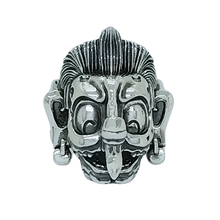
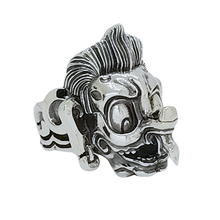
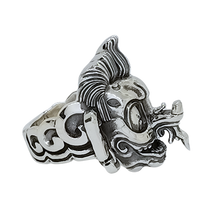
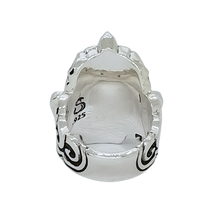
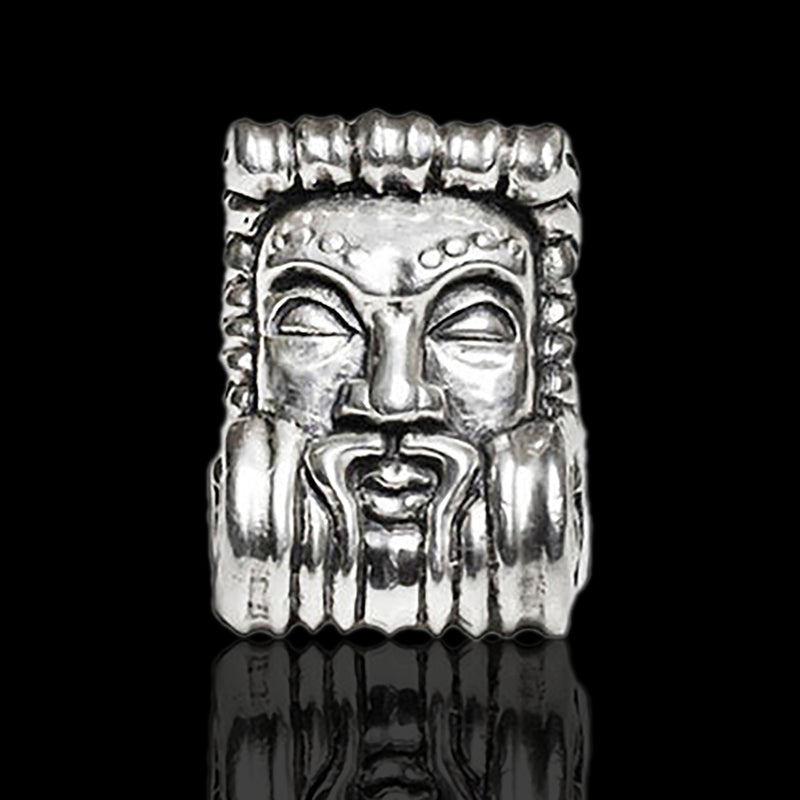
The Chaac Ring from Serpent Forge is a modern tribute to the Mayan god of rain, crafted in solid 925 sterling silver. It’s not a hollow or plated piece – it’s built to feel substantial, with weight and presence that match the intensity of its inspiration.
Design‑wise, the ring pulls from classic Chaac features: a bold, storm‑god face, deep carved details, and a sculptural profile that catches the light like a brewing storm. Each piece is handcrafted with intricate detailing, not mass produced, so the textures and lines feel deliberate and sharp.
| Feature | Chaac Ring Details |
|---|---|
| Material | Solid 925 sterling silver (not hollow, not plated) |
| Price | The price can be found on the Chaac Ring product page. |
| Theme | Mayan rain god Chaac – storms, rain, power, renewal |
| Craft | Handcrafted intricate detailing; bold, conversation‑starting design |
8. Pairing Chaac with Other Mayan‑Inspired Pieces: Ring, Cuff & Motifs
If you like the Chaac mythology and look, there are other Mayan‑themed pieces that complement it nicely. Think of them as building a small Mesoamerican “storm and stone” set on your hand and wrist.
Mayan Ring & Mayan Cuff
- Mayan Ring – a solid 925 sterling silver ring with Mayan motifs. It carries ancient patterns that look right at home next to a storm‑god piece.
- Mayan Cuff – a hefty, premium Mayan‑motif cuff bracelet in 925 sterling silver, designed as a serious statement piece.
Together, these pieces echo temple carvings and glyphs while keeping the focus on Mayan aesthetics and symbolism.


9. Cuauhxicalli & Quetzalcoatl: Expanding into Aztec and Feathered Serpent Themes
While Chaac is distinctly Mayan, many collectors enjoy weaving in related Mesoamerican pieces that play well with his energy. Two standouts are the Cuauhxicalli Pendant and the Quetzalcoatl Pendant.
- Cuauhxicalli Pendant – a 925‑silver pendant inspired by Aztec ceremonial “eagle vessels,” with dense, carved detail that matches the intensity of Chaac’s stormy vibe.
- Quetzalcoatl Pendant – this pendant features the feathered serpent god, tying in sky, wind, and creation alongside Chaac’s rain.
Worn together, they create a mini gallery of Mesoamerican cosmology: sky, storm, earth, and ritual.


10. Ancient Mythology Rings: Chaac Among Other Legendary Figures
Chaac also sits comfortably in a wider world of myth‑inspired silver pieces. In Serpent Forge’s Ancient Mythological & Historical Rings collection, you’ll find gods and icons from around the world carved into silver – from the Greek thunder‑wielder Zeus to legendary warriors and spirits.
This context makes Chaac part of a global “pantheon in metal” – where rain gods, sky gods, lions, dragons, and spirits are all reimagined as bold, wearable artwork, each telling its own story on your hand.

Conclusion
Chaac, the Mayan god of rain, is more than a storm deity from the distant past. He stands for the forces that keep life going: water, weather, and the uneasy balance between calm and chaos. In ancient cities, people carved his face into stone and offered him gifts in sacred pools, hoping for the right kind of storm.
Today, his image still resonates – especially in pieces like the solid silver Chaac Ring, which pulls that ancient rain‑god energy into something you can actually wear. Whether you’re drawn to the history, the symbolism, or just the raw look of a storm‑god carved in metal, Chaac is a powerful figure to carry with you – a reminder that from rain and thunder comes new growth.